
"coffee tree pruning"
700 article(s) found

Introduction of Honduran coffee beans with uniform color and glossy appearance
The granules of coffee beans in Honduras are large in shape, uniform in size and glossy in color. In order to facilitate harvesting, farmers will prune the coffee trees to no more than 150 centimeters, because if they grow too high, they have to set up ladders to pick, which is not only time-consuming, but also may damage the trees by bending branches. As the ripening period of each fruit of the coffee bean is different, it is necessary to keep the coffee bean in good condition.

High quality Honduran Coffee Flavor introduction Fine Coffee
The granules of coffee beans in Honduras are large in shape, uniform in size and glossy in color. In order to facilitate harvesting, farmers will prune the coffee trees to no more than 150 centimeters, because if they grow too high, they have to set up ladders to pick, which is not only time-consuming, but also may damage the trees by bending branches. As the ripening period of each fruit of the coffee bean is different, it is necessary to keep the coffee bean in good condition.

Boutique coffee beans Honduran coffee introduction to the Santa Ana volcano area
The granules of coffee beans in Honduras are large in shape, uniform in size and glossy in color. In order to facilitate harvesting, farmers will prune the coffee trees to no more than 150 centimeters, because if they grow too high, they have to set up ladders to pick, which is not only time-consuming, but also may damage the trees by bending branches. As the ripening period of each fruit of the coffee bean is different, it is necessary to keep the coffee bean in good condition.

Coffee beans from Honduras are washed with uniform and glossy water.
The granules of coffee beans in Honduras are large in shape, uniform in size and glossy in color. In order to facilitate harvesting, farmers will prune the coffee trees to no more than 150 centimeters, because if they grow too high, they have to set up ladders to pick, which is not only time-consuming, but also may damage the trees by bending branches. As the ripening period of each fruit of the coffee bean is different, it is necessary to keep the coffee bean in good condition.

Introduction of Santa Barara Manor San Juan Hido producing area in Honduras
The granules of coffee beans in Honduras are large in shape, uniform in size and glossy in color. In order to facilitate harvesting, farmers will prune the coffee trees to no more than 150 centimeters, because if they grow too high, they have to set up ladders to pick, which is not only time-consuming, but also may damage the trees by bending branches. As the ripening period of each fruit of the coffee bean is different, it is necessary to keep the coffee bean in good condition.
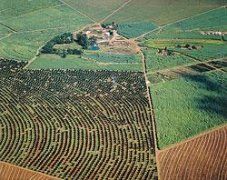
Planting situation of San Juan Xido boutique coffee beans with large particle shape, geographical location gas
The granules of coffee beans in Honduras are large in shape, uniform in size and glossy in color. In order to facilitate harvesting, farmers will prune the coffee trees to no more than 150 centimeters, because if they grow too high, they have to set up ladders to pick, which is not only time-consuming, but also may damage the trees by bending branches. As the ripening period of each fruit of the coffee bean is different, it is necessary to keep the coffee bean good.

Introduction to the Environmental Flavor and Taste of the Fine Coffee Bean growing area in Yersaro, Costa Rica
All the coffee trees planted in Costa Rica are Arabica coffee trees. through improvement, the quality of coffee beans is better and more stable. in order to facilitate picking, coffee trees are kept at a height of about 2 meters through continuous pruning. The coffee that people eat is the taste of the seeds in the fruit that are brewed in water. After picking raw coffee beans, the peel, pulp, seed film and sun exposure must be removed.

Introduction to the quality characteristics of Costa Rican Red bourbon Coffee Flavor description treatment
Costa Rican coffee is grown in Costa Rica with Arabica coffee trees. Through improvement, the quality of coffee beans is better and more stable. In order to facilitate picking, coffee trees are kept at a height of about 2 meters through continuous pruning. The coffee that people eat is the flavor released by the seeds in the fruit being brewed in water. After picking raw coffee beans, the peel, pulp and seed must be removed.

Introduction to Fine Coffee beans in Manor production area
The display of this quality is due to the fact that the granules of Honduran coffee beans are large in shape, uniform in size and uniform in color. In order to facilitate harvesting, farmers will prune the coffee trees to no more than 150 centimeters, because if they grow too high, they have to set up ladders to pick, which is not only time-consuming, but also may damage the trees by bending branches. Due to the ripening of each fruit of the coffee bean

Introduction to Santa Barara Manor in Honduras Coffee Manor
The granules of coffee beans in Honduras are large in shape, uniform in size and glossy in color. In order to facilitate harvesting, farmers will prune the coffee trees to no more than 150 centimeters, because if they grow too high, they have to set up ladders to pick, which is not only time-consuming, but also may damage the trees by bending branches. As the ripening period of each fruit of the coffee bean is different, it is necessary to keep the coffee bean in good condition.

The method of describing the taste and flavor of Honduran coffee beans by grinding scale varieties
Description of taste and flavor of Honduran coffee beans the granules of Honduran coffee beans are large in shape, uniform in size and glossy in color. In order to facilitate harvesting, farmers will prune the coffee trees to no more than 150 centimeters, because if they grow too high, they must set up ladders to pick, which is not only time-consuming, but also may hurt Hongdu due to bending branches.

Introduction of varieties with characteristics of grinding degree for flavor description of Honduran coffee beans
The granules of coffee beans in Honduras are large in shape, uniform in size and glossy in color. In order to facilitate harvesting, farmers will prune the coffee trees to no more than 150 centimeters, because if they grow too high, they have to set up ladders to pick, which is not only time-consuming, but also may damage the trees by bending branches. As the ripening period of each fruit of the coffee bean is different, it is necessary to keep the coffee bean in good condition.

What is the quality of Honduran coffee beans? the shape of beans
The granules of coffee beans in Honduras are large in shape, uniform in size and glossy in color. In order to facilitate harvesting, farmers will prune the coffee trees to no more than 150 centimeters, because if they grow too high, they have to set up ladders to pick, which is not only time-consuming, but also may damage the trees by bending branches. As the ripening period of each fruit of the coffee bean is different, it is necessary to keep the coffee bean in good condition.
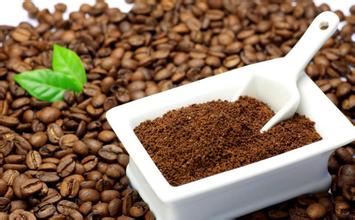
Introduction to the Regional treatment method of Coffee Bean Grinding scale in Saint Roman Manor, Costa Rica
All the coffee trees planted in Costa Rica are Arabica coffee trees. through improvement, the quality of coffee beans is better and more stable. in order to facilitate picking, coffee trees are kept at a height of about 2 meters through continuous pruning. The coffee that people eat is the taste of the seeds in the fruit that are brewed in water. After picking raw coffee beans, the peel, pulp, seed film and sun exposure must be removed.
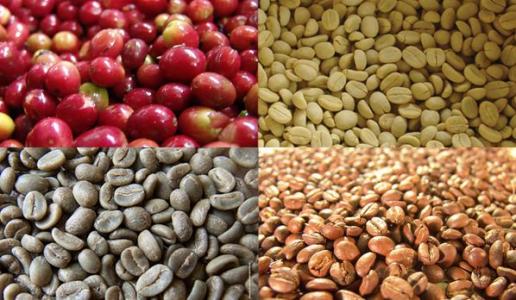
Flavor description of Honduran coffee beans Taste treatment Variety Region of origin Grinding scale
Honduras has geographical conditions comparable to those of neighboring coffee producing countries such as Guatemala and Nicaragua. There are 280,000 hectares of coffee plantations in Honduras, mainly small coffee plantations, most of which are less than 3.5 hectares. These coffee plantations account for the whole of Honduras

High-quality Honduran Coffee Manor Flavor introduces Santa Barara Manor
The display of this quality is due to the fact that the granules of Honduran coffee beans are large in shape, uniform in size and uniform in color. In order to facilitate harvesting, farmers will prune the coffee trees to no more than 150 centimeters, because if they grow too high, they have to set up ladders to pick, which is not only time-consuming, but also may damage the trees by bending branches. Due to the ripening of each fruit of the coffee bean

Costa Rican Ratazhu Coffee Flavor description Grinding degree Variety characteristics introduction of Fine Coffee in producing area
All the coffee trees planted in Costa Rica are Arabica coffee trees. through improvement, the quality of coffee beans is better and more stable. in order to facilitate picking, coffee trees are kept at a height of about 2 meters through continuous pruning. The coffee that people eat is the taste of the seeds in the fruit that are brewed in water. After picking raw coffee beans, the peel, pulp, seed film and sun exposure must be removed.

How about the price characteristics of Arabica coffee? flavor description taste treatment method
Arabica coffee price characteristics how flavor description taste treatment Farobasta coffee tree originated in Africa in the Congo, its output accounts for about 20% to 30% of the world's output. Luoba Jinta coffee tree is suitable for planting in the lowlands below 500 meters above sea level, has strong adaptability to the outside world, has strong resistance to disease, and has high yield, even during soil preparation, weeding and pruning.

Introduction to Goddess Manor in Arabica Coffee Manor, Costa Rica
All the coffee trees planted in Costa Rica are Arabica coffee trees. through improvement, the quality of coffee beans is better and more stable. in order to facilitate picking, coffee trees are kept at a height of about 2 meters through continuous pruning. The coffee that people eat is the taste of the seeds in the fruit that are brewed in water. After picking raw coffee beans, the peel, pulp, seed film and sun exposure must be removed.
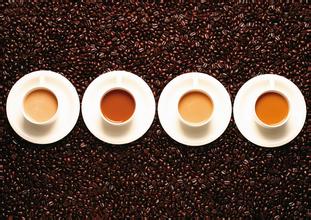
Description of the Flavor of Coffee picking and growing process introduction to the Regional treatment of Coffee varieties
Coffee beans coffee trees begin to bear fruit about three to five years after sowing, and the next 20 years from the beginning to the fruit will be a high-yielding period. In order to facilitate harvesting, farmers usually control the pruning of coffee trees to about 2 meters, because if they grow too high, they have to climb a ladder to pick, which is not only time-consuming, but also may damage the tree by bending branches. Coffee trees need some tall shade trees to be planted together.